The Medicine Of Sun Piercing Pranayama
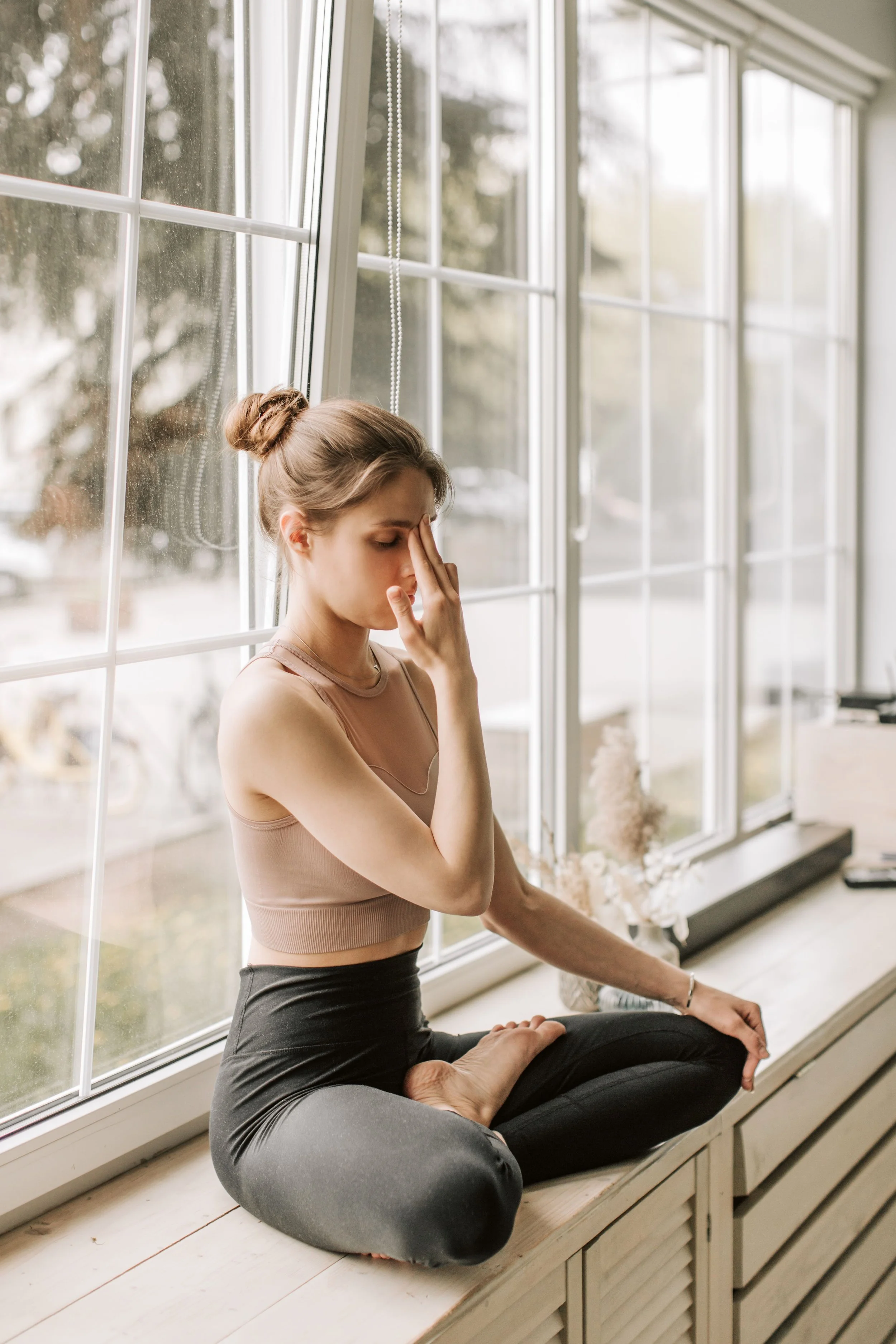
Before packing up and leaving to work on the cruise ships in 2022, I had begun a self-paced breathwork and pranayama facilitation course.
I carried that half-finished training in my pocket with me for years before finally completing it in 2026. If I’m honest, I wasn’t energetically ready to carry the facilitator qualification before this year. I needed to earn it — through discipline, purification, and the lived experience that comes with walking the path yourself.
This year, I have been building my practice with Surya Bhedana (sun piercing breath) and really feeling into it’s benefits (and side effects).
The breath is such a powerful, readily available medium to work with. It gives us the ability to shift and alchemise our state relatively quickly, simply by changing the way we breathe. So, I want to start sharing some of these practices here — breaking down the different pranayamas, what they’re traditionally used for, and how I experience them in my own practice.
Yang in, yin out.
For the days where you are struggling to pull yourself out of bed or are struggling to work up the might to do something active or productive, this pranayama will assist you in igniting the flame of inspiration, motivation and action.
Breathing in only with the right nostril pulls energy into the masculine energy channel in the body, Pingala Nadi. It holds your solar energy; heat, activation and movement. Working with this channel can help to bring warmth and momentum to sluggish or overly introspective yin energies that may be present in the body.
Benefits:
Awakens pranic energy
Stimulates the heat in the body
Increases an extroverted attitude
Allows physical activities to feel easier
Helps aid in depression treatment (consult a mental health professional)
Delivers you motivation
Assists you in focusing (great before meditation)
Recommended to those dull or lethargic
Help treat low blood pressure, infertility and worms (consult a medical professional)
When to slow down/stop:
You develop an overstimulated mental state
You begin to feel conistently aggitated or irritated
You begin to be unable to sit still/ rest
Hyper-vigilance develops
Stress turns into your natural state
Because it has a heating affect, don’t try this if:
You struggle with high blood pressure
You are exhausted from overworking and your body is actually just asking for rest
You have just eating (it can interfere with digestion)
You struggle with hypertension
You struggle with neurological/ brain disorders
You have epilepsy or are prone to seizures
Now that we have the foundational discussions out of the way, below is how to practice Surya Bhedana.
How to do sun piercing breath:
Sit in a comfortable, cross-legged position. Ideally, practise this before eating breakfast or drinking caffeine.
Close your eyes and relax your body.
Rest your left hand on your knee, palm facing upwards. You can use a hand mudra here if you’d like.
Bring your right hand up to your face and place your index and middle finger on your third eye. Allow your ring finger to fall by your left nostril and your thumb to fall by your right nostril. They will be alternatively holding the nostrils closed as you breath in and out.
Press your ring finger to close your left nostril and life your thumb to open your right, breathing deeply and slowly into the right side of your body (the Pingala Nadi). Count how many seconds it takes you to naturally breath in.
At the top of the inhale, use your fingers to gently close both nostrils. Hold the breath for the same number of seconds as your inhale. This is your breath retention.
If you are familiar with Mula Bandha (or ‘Root Lock’), this is a great addition to do during the retention.
Keep your thumb pressed over your right nostril and open your ring finger to breath slowly out of your left, releasing yin from the Chandra Nadi (the left side of your body).
Note that this is different from alternative nostril breathing, as you do not breath back into your left nostril here. You will be closing your left nostril with your ring finger again and opening your right nostril without any breath holds on the exhale. Immediately breath back into your right nostril.
Continue this cycle for 6–10 minutes and drop into a deep and well deserved stillness afterwards for about 5 minutes afterwards.
Keep this pranayama in your toolbox for those mornings when you may need a little extra fire.
There’s great value in practising for longer durations and building your capacity over time. However, if you begin to experience any of the symptoms listed under “When to Slow Down / Stop,” take that as an invitation to ease off rather than push through.
On those days, try replacing Surya Bhedana with a cooling pranayama technique such as Chandra Bhedana (moon-piercing breath), or a rebalancing practice such as Nadi Shodhana (alternate nostril breathing).
If you would like assistance with a guided practice, I add them into my longer healing journeys as optional practices to try.